

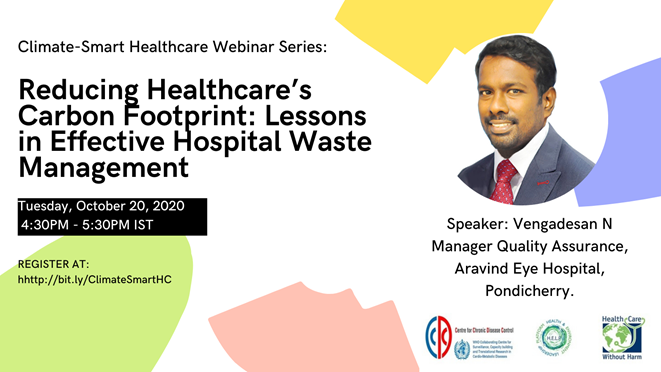
On October 20, the Health and Environment Leadership Platform (H.E.L.P.) is hosting the webinar “Reducing Healthcare’s Carbon Footprint: Lessons in Effective Hospital Waste Management”.
This online conference is part of the series of talks and discussion H.E.L.P. is conducting on climate-smart health care. Join speaker Vengadesan N, Manager Quality Assurance, Aravind Eye Hospital, Pondicherry, in the discussion on how sustainable waste management can help reduce health care’s carbon footprint.
When: Tuesday, October 20, 4:30 pm to 5:30 pm IST.
Image
Waste
/
Case studies
The Royal Hospital, Oman's largest government tertiary hospital, has successfully implemented a xylene chemical recycling program, showcasing its commitment to sustainability and innovation in healthcare.

Waste
/
Case studies
The large amounts of Personal Protective Equipment waste became one of the most defining and distressing images of the COVID-19 pandemic. St. Paul’s Hospital overcomes this challenge while reducing its environmental footprint.

Waste
/
Case studies
The treatment and disposal of Health Care Risk Waste (HCRW) was a problem to be solved for the George Hospital in George South Africa. Michael Vonk and his team drove the implementation of on-site medical waste treatment equipment to reduce the environmental impact of waste processing.
Waste
/
Case studies
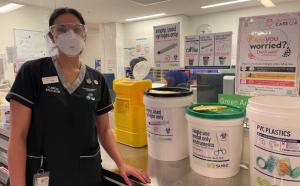
Fiona Stanley Hospital is a major tertiary hospital in the South metropolitan area of Western Australia. Its Emergency Department is a fast-paced area with a high patient turnover. Most of the equipment used is disposable, thus producing significant amounts of waste.

Waste
/
Case studies
Queanbeyan Hospital and Health Service, a GGHH member from Australia, have submitted a new case study in which they introduce the R.A.W. (Rescued and Wasted Food) Project, which focused on reducing organics in the waste system, reducing costs while meeting clinical guidelines.
The recording of our latest webinar, Success stories from the Sustainable Health in Procurement Project (SHiPP), as well as its presentations are now available for GGHH members to access on GGHH Connect.
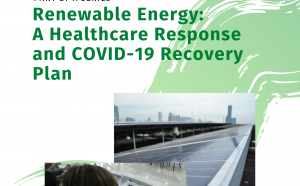
As the pandemic rages on and the governments try to stave off the economy from hemorrhaging any further, it is crucial to truly consider investments that would strengthen reliability and resilience of the health sector in order for it to continue defending and advancing the health of citizens.
A green, equitable and resilient post-COVID pathway for health and healthcare.
The rapid spread of the corona virus globally has exposed the vulnerability of the global supply chains, especially in the health sector. This time of crisis has reminded us of our need for agile supply chains and for sustainability management systems that can help mitigate negative impacts of procurement of medical supplies on health and environment during pandemics.
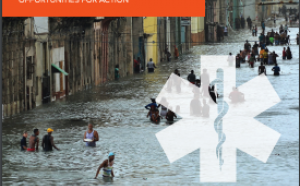
The recording of our 2019 webinar, Health care’s climate footprint: Report findings and opportunities for action, as well as the presentations of our presenters are now available for GGHH members to access on GGHH Connect.
Organized by Health Care Without Harm and its GGHH program, this webinar presented the findings and recommendations from the Health Care Without Harm report on Health care’s climate footprint and showcased the innovative solutions that members of the GGHH network are implementing around the world to take climate action and reduce the climate footprint of the health care sector.
This GGHH SE Asia Webinar Session will delve into the findings of the 2019 Lancet Countdown Report on Health and Climate Change, and zero in on the newest Lancet Countdown Indicator focused on the benefits and harms of air conditioning.
Organized by Health Care Without Harm and its Global Green and Healthy Hospitals (GGHH) program, this webinar will present the findings and recommendations from the Health Care Without Harm report on Health care’s climate footprint and showcase the innovative solutions that members of the GGHH network are implementing around the world to take climate action and reduce the climate footprint of the health care sector.

From antibiotic stewardship and infection prevention and control measures, to wastewater treatment and procurement practices, healthcare facilities have a vast range of tools at their disposal to combat AMR. It remains clear, however, that if no effective action is taken, AMR will increasingly damage public health and place a greater burden upon already strained healthcare budgets.7