

For decades, plastic pollution has been viewed primarily as an environmental challenge. Images of polluted oceans, overflowing landfills, and wildlife harmed by plastic waste have shaped the global conversation.
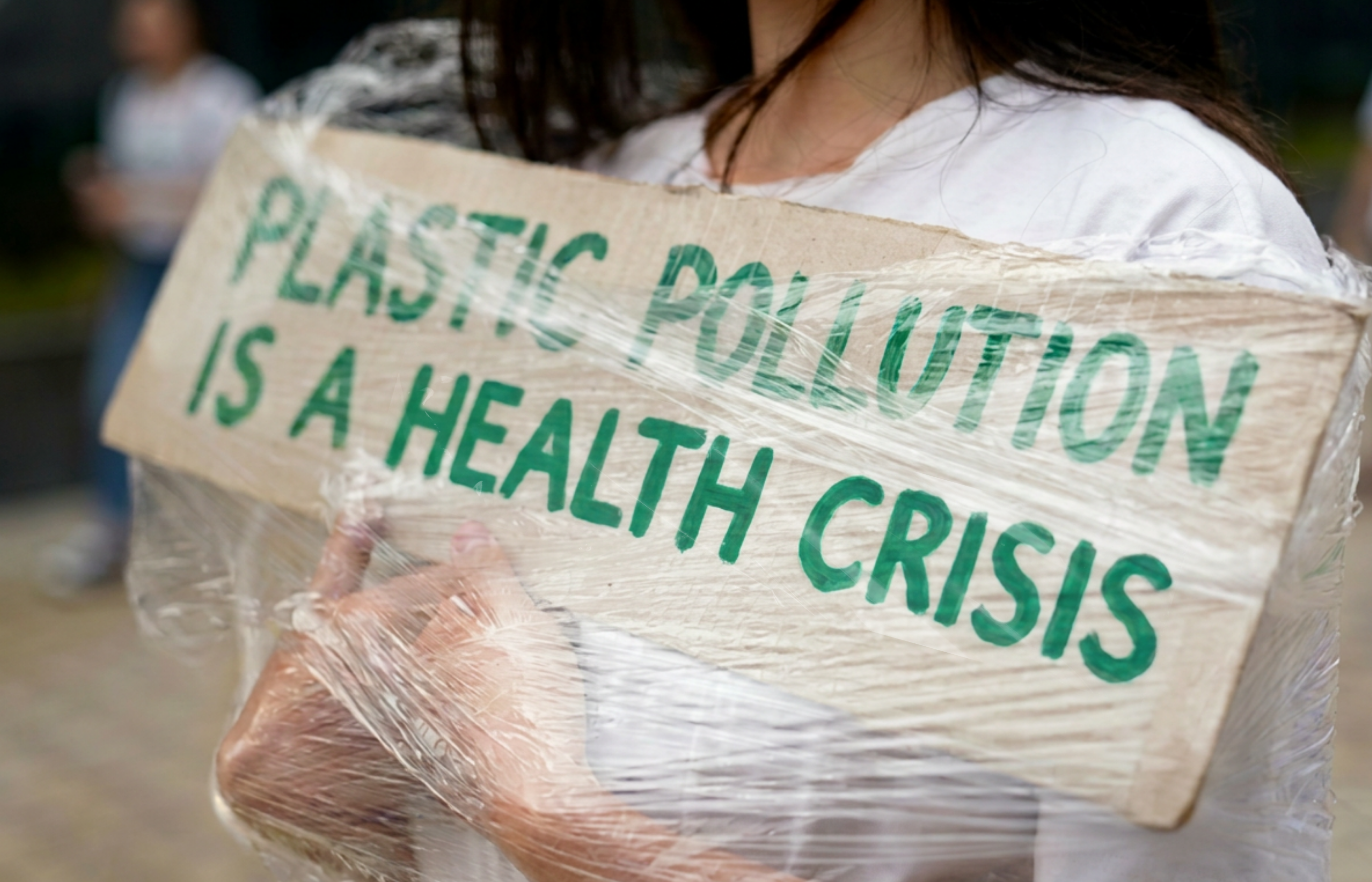
Today, scientific evidence is reshaping that understanding. Plastics are increasingly recognized as a public health emergency, placing them at the heart of the sustainability agenda for healthcare. Their presence is no longer a distant or hypothetical risk: it is a fact documented in the world's leading journals.
Plastics have now been detected in human blood, lungs, liver, placenta, breast milk, heart tissue, and even the brain. Scientists estimate that each person ingests tens of thousands of plastic particles every year through food and drinking water, while everyday products continue to expose us to thousands of chemicals used in plastics, some of which are known to disrupt hormones, damage organs, and increase the risk of disease. Check this comprehensive infographic: Plastic in numbers.
Plastic pollution is everywhere, and hospitals and health facilities are no exception. Plastics are embedded in healthcare, from medical devices to single-use products. As a result, the health sector generates millions of tons of plastic waste every year, making it uniquely positioned to help drive the transition toward safer, more sustainable solutions.
Across the Global Green and Healthy Hospitals (GGHH) network, members are already leading this transition. By reducing avoidable plastics, adopting safer alternatives, strengthening sustainable procurement, and sharing practical solutions, healthcare institutions are demonstrating that meaningful change is both achievable and scalable.
As GGHH looks toward its next chapter, addressing the climate and plastic crisis remains central to our shared mission. The evidence is clear: plastic pollution is a public health issue. Now is the time for healthcare to lead the transition toward a healthier future for both people and the planet.
You can access the infographic here.